

























What is dry skin?
Dry skin is a skin type, not to be confused with dehydrated skin, which is a skin concern (caused by external triggers like heaters, air con, chilly weather, and wind).
Put simply, dry skin does not produce enough oil. So you won’t get as many breakouts, nor will you struggle with shiny, sheeny, oily spots. But you will likely produce fine lines and creases quicker than skin types whose sebum is in balance.
To help replenish dry skin, it’s best to incorporate nourishing and moisture-rich skincare into your routine, to make up for all that your skin is not naturally producing, regularly exfoliate to clear away those flaky skin cells and restore some glow, and avoid products made with sulfates which are known to strip the skin and leave it irritated.
What causes dry skin?
Dry skin is caused by hormones, genetics, and sometimes ageing.
You’ll likely notice your complexion is quite dull, and skin becomes rough, flaky, even scaly. All these characteristics combined may leave your face feeling especially tight and stripped of moisture.
Reach for products known to soothe angry skin. Gentle formulas that prevent your face from reaching the irritated, itchy, inflamed stage of dryness.
The best skincare products for dry skin?
You bet we’ve formulated loads of Go-To products to help with dry skin concerns. Meet the line-up:
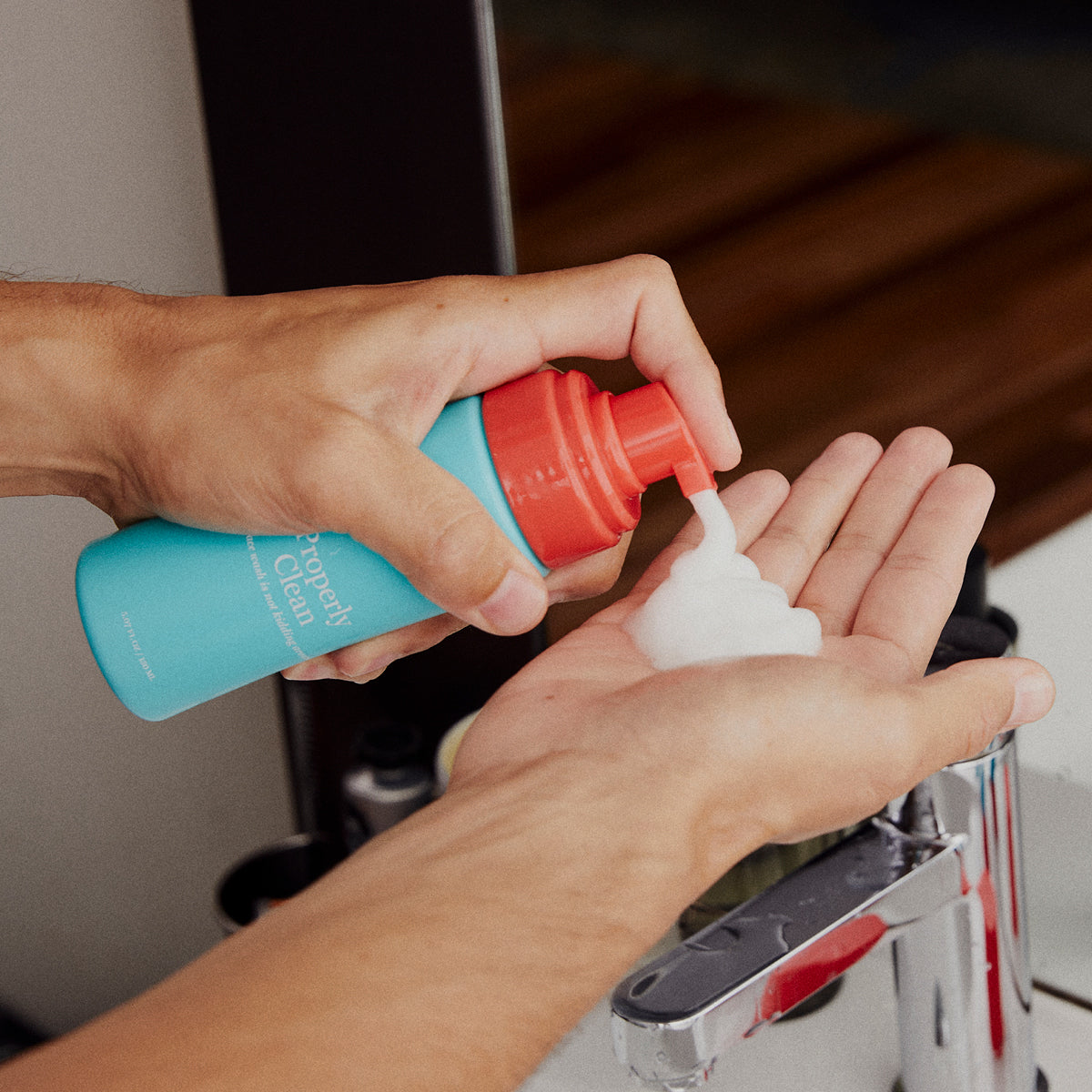
Juicy Gel is our soap-free, jelly-like, ultra-soothing cleanser. An expert at removing impurities while keeping the skin barrier balanced and happy. Soothing ingredients like cucumber extract, lotus root water, and aloe vera help to hydrate and cool and keep the skin so supple.
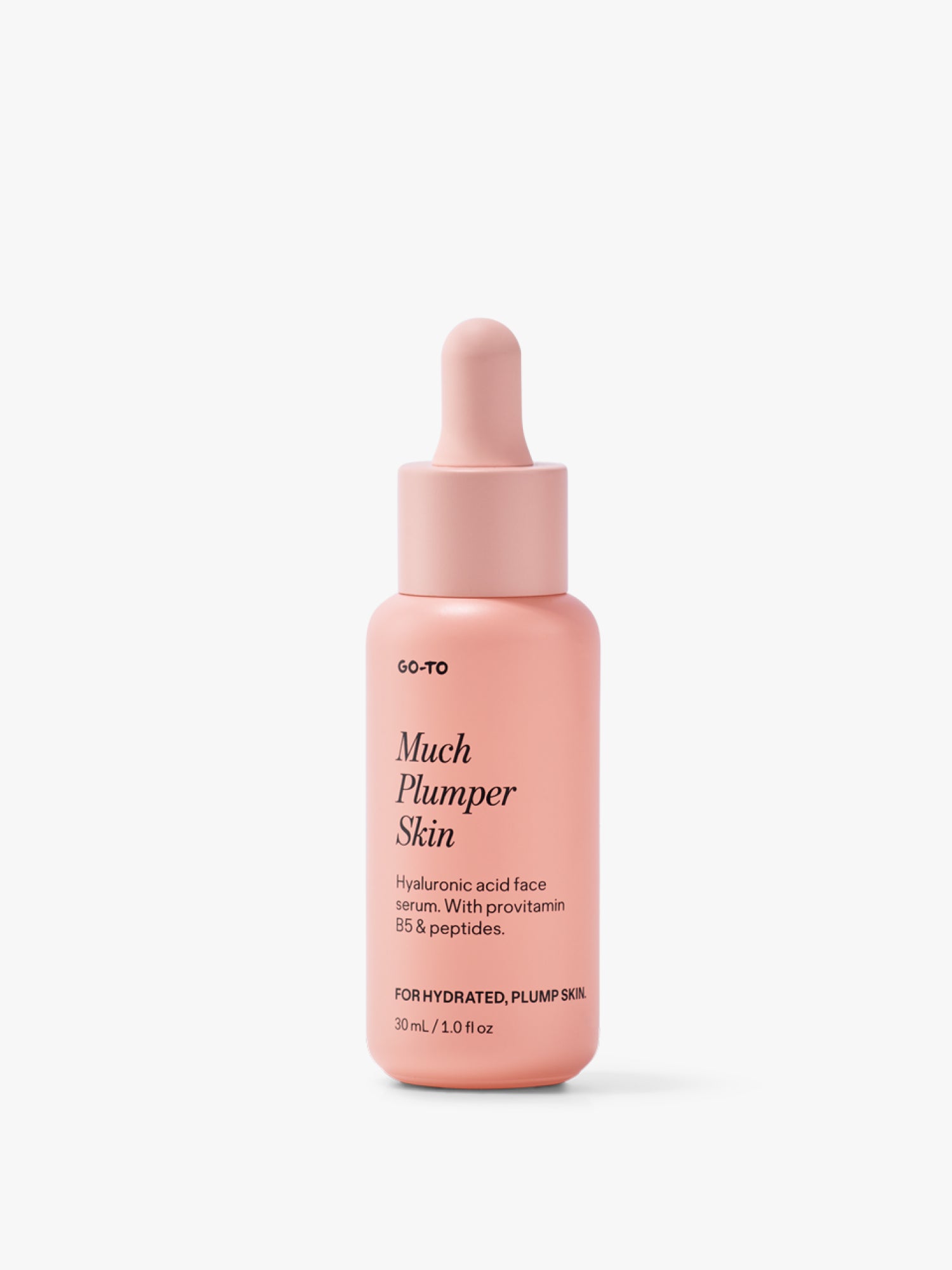
A serum like Much Plumper Skin packed with peptides, provitamin B5, and four different types of hyaluronic acid, will expertly quench and plump thirsty faces, sealing in moisture to keep skin radiant.
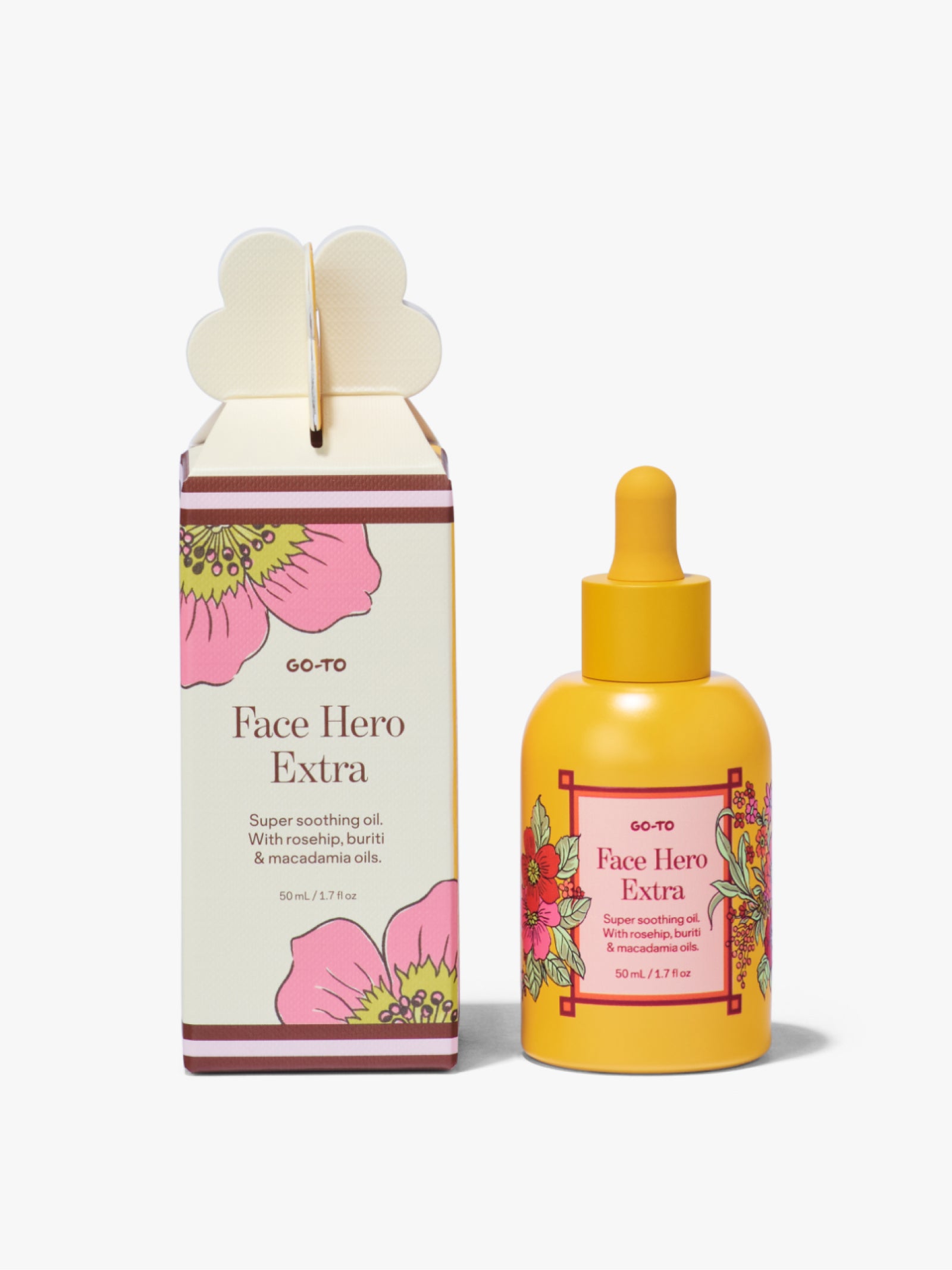
Incorporating a lightweight face oil, like Face Hero, to fight free radical damage and restore a bucketload of essential fatty acids, is another must-do. Something to deeply and quickly nourish the skin.
And you’ll need a Very Useful Face Cream to top it all off. Make sure that new-found hydration doesn’t escape the skin as you go about your busy day. Butters, like shea and mango, can provide immediate relief from dryness, and help smooth the surface of your skin pre-makeup.
How should I moisturise if I have dry skin?
Your skin type shouldn’t determine whether or not you moisturise, but rather, what type of moisturiser to use. Morning and night. Thick, rich, buttery formulas are going to be your best mate. Anything that can provide a real cocooning and occlusive feeling post-application. These kinds of moisturisers repel water rather than attracting it, so think of it like a seal, holding in all that hydration you’ve just added to the skin.
Natural butters like shea and mango are deeply nourishing and help to replenish dry skin. Throw in a few hydrating oils - almond, avocado, apricot - and the face will be fed an array of essential fatty acids and vitamins to help soften the skin.
How often should I exfoliate if I have dry skin?
Exfoliation is what breaks down the ‘glue’ that holds dead skin cells together, forcing old and dull and cloggy cells to bugger off, making room for fresh, new cells to come through all glowy and what not.
How frequently you exfoliate depends on your method of exfoliation: physical (using rough or jagged particles to physically scrub the face) or chemical (using naturally occurring acids to clear the skin).
Because the physical method can be so abrasive, we recommend exfoliating 2-3 times a week only. Chemical exfoliation can be performed more frequently, every other day, or twice a day, depending on the formula. You just want to ensure your usage aligns with your skin type and skin concerns, and for particularly dry skin, we recommend Go-To’s Gentle Exfoliator.
Over-exfoliating is an altogether terrible idea. Your skin has finite layers. You’ll only end up with raw, sensitised, thin skin. Not good.
What vitamin deficiency causes dry skin?
Key nutrients play a crucial role in supporting skin barrier health and hydration.
While incorporating skincare for dry skin into your routine is important, so is a healthy diet. If you’re experiencing recurring bouts of dryness that even the best skincare for dry skin isn’t helping with, we recommend talking to your trusted medical professional.
How do you fix extremely dry skin?
Most of the time, extremely dry skin is caused by a damaged, cranky skin barrier.
The skin barrier is the top layer of the skin and responsible for keeping the good stuff in and the bad stuff out. Not only does it protect us from physical toxins (harmful chemicals, pollution etc…) and UV radiation from sun exposure, the skin barrier also helps the body hold onto natural moisture by preventing transepidermal water loss. When your barrier is damaged, your skin can’t retain moisture or defend against irritants, which leads to rapid water loss and rapidly dry, dehydrated skin. Opting for a skincare routine that’s focused on barrier repair can help tackle extremely dry skin by helping your skin retain moisture and protect against drying, irritating stressors. Reach for barrier-boosting ingredients like ceramides, fatty acids, and rich butters.
How can I hydrate my dry skin?
Dry skin is a skin type (as opposed to dehydrated skin which is a skin condition) that’s caused by hormones, genetics, or sometimes, ageing! Basically it just means that your skin doesn’t produce enough oil.
The best skincare for dry skin is an oil-rich routine that avoids anything too harsh or stripping. Your dry skin may struggle to produce oil, but you can help top it up with a few clever additions. Like a rich, replenishing face oil will make up for what your skin’s not naturally producing and a lush face cream that ensures moisture is firmly locked into your skin.