













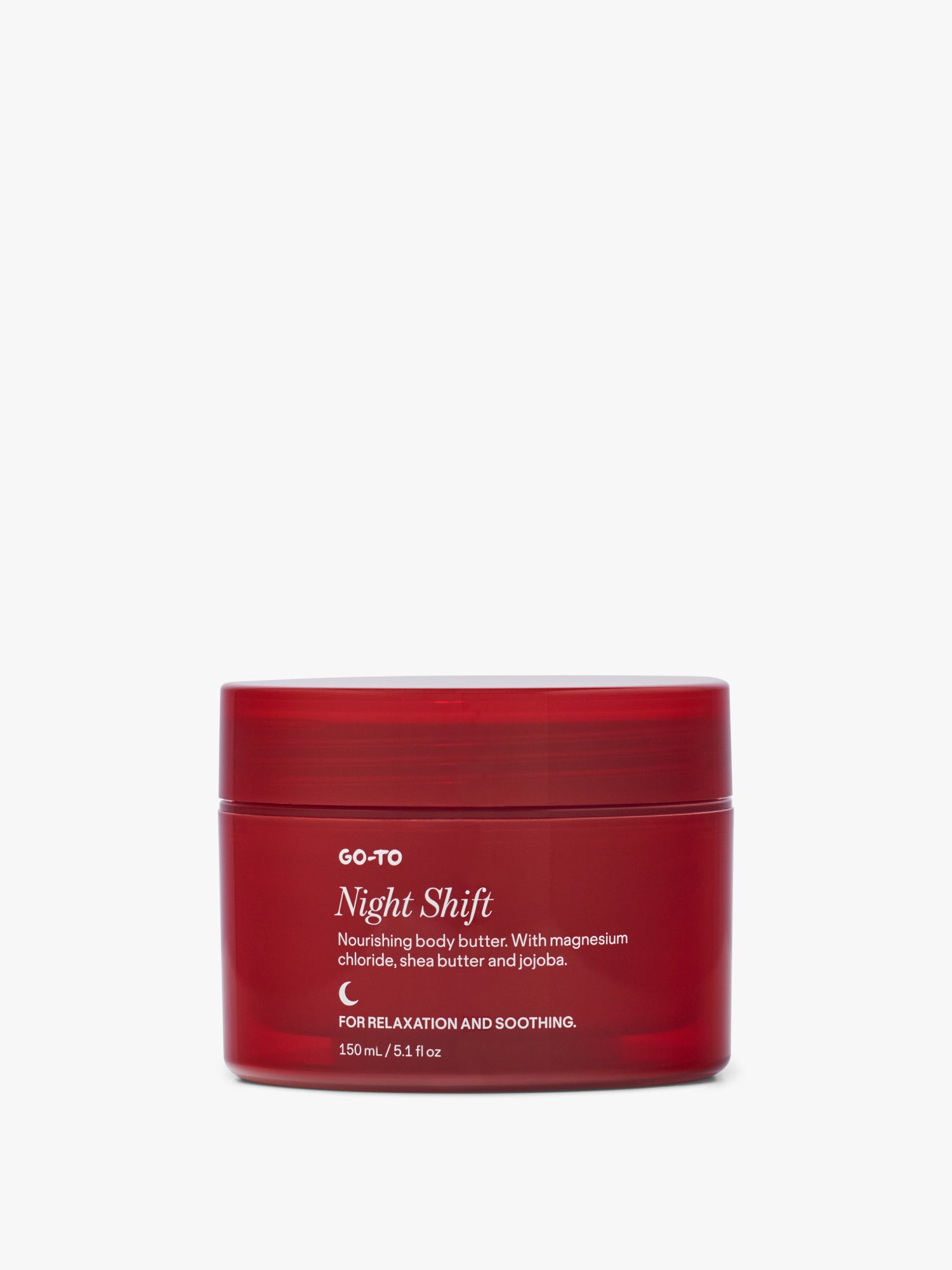
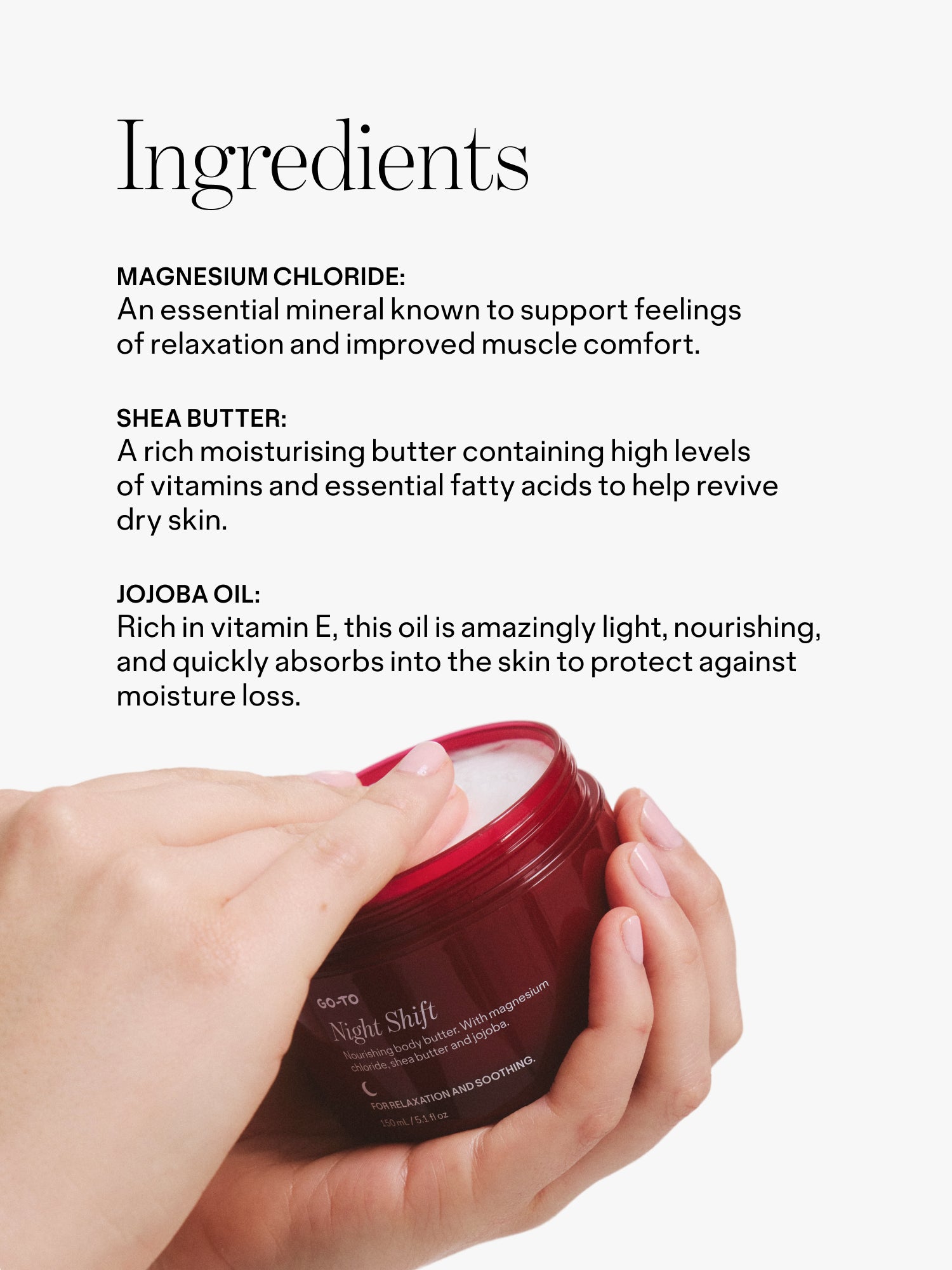
Magnesium is having a moment. It’s in the pool. It’s in the bath salt. It’s in our fancy shmancy new range of sleep essentials.
But what on earth is it? And why is it cropping up everywhere?









What Is Magnesium?
Although it might have only niggled its way into the public vernacular over the last few years, magnesium is an essential mineral found in the body. Meaning: technically it’s always having a moment.
Like other minerals (calcium/potassium/iron), magnesium is vital to keeping your body working properly, taking care of over 300 cellular functions. As the fourth most abundant mineral in your body, it plays a key role in keeping our cardiovascular system, nerves, muscles, and bones healthy. Not getting enough can cause the likes of muscle aches and tension, increased feelings of stress, and increased fatigue.
But! Minerals are inorganic elements, meaning they come from soil and water rather than being synthesised in our own bodies. Ergo: we get magnesium via what we consume.
What Does Magnesium Do?
Lots of stuff! Magnesium may support your:
Muscle health: Magnesium can help regulate muscle contractions to help muscles relax. In our muscles, calcium can bind to proteins and in doing so, changes the shape of these proteins, causing a contraction. Magnesium goes head to head with calcium for these same binding spots and if your body doesn’t have enough magnesium, your muscles may contract too much, causing cramps or pain.
Elevated mood: Magnesium influences the production and release of serotonin—that’s the neurotransmitter that takes care of your happiness and general well-being. It also increases GABA, a brain chemical that helps you feel calm, while working indirectly to lower levels of stress hormones by controlling the release of ACTH, a hormone that stimulates the release of cortisol from your adrenal glands.
Sleep quality: The relationship between magnesium and sleep all comes from the minerals' role in the production of hormones like serotonin and melatonin, (Those are the ones that help you clock some zzzzs.). Subsequently, a lack of magnesium in the body may contribute to insomnia, sleeplessness, and disrupted sleep.
How Much Magnesium Do You Need?
If you’ve never even thought about your magnesium intake before—don’t fret!
Most of us are likely already nabbing all the magnesium your body needs to function through your diet. The recommended daily amount of magnesium is 320 mg a day for women and 420 mg a day for men and you can find that in a handful of almonds and half an avo.
But! The ABS recently found that around ⅓ of Australians aren’t getting enough magnesium so it’s definitely worth checking in..
What To Know About Magnesium Supplements
Magnesium on its own is an unstable mineral so can’t be easily absorbed by the body. That’s why a lot of the time, you’ll spy magnesium supplements pairing the mineral with another compound. This different form makes it work more efficiently with your body and can help tackle different concerns. Here are the most common forms:
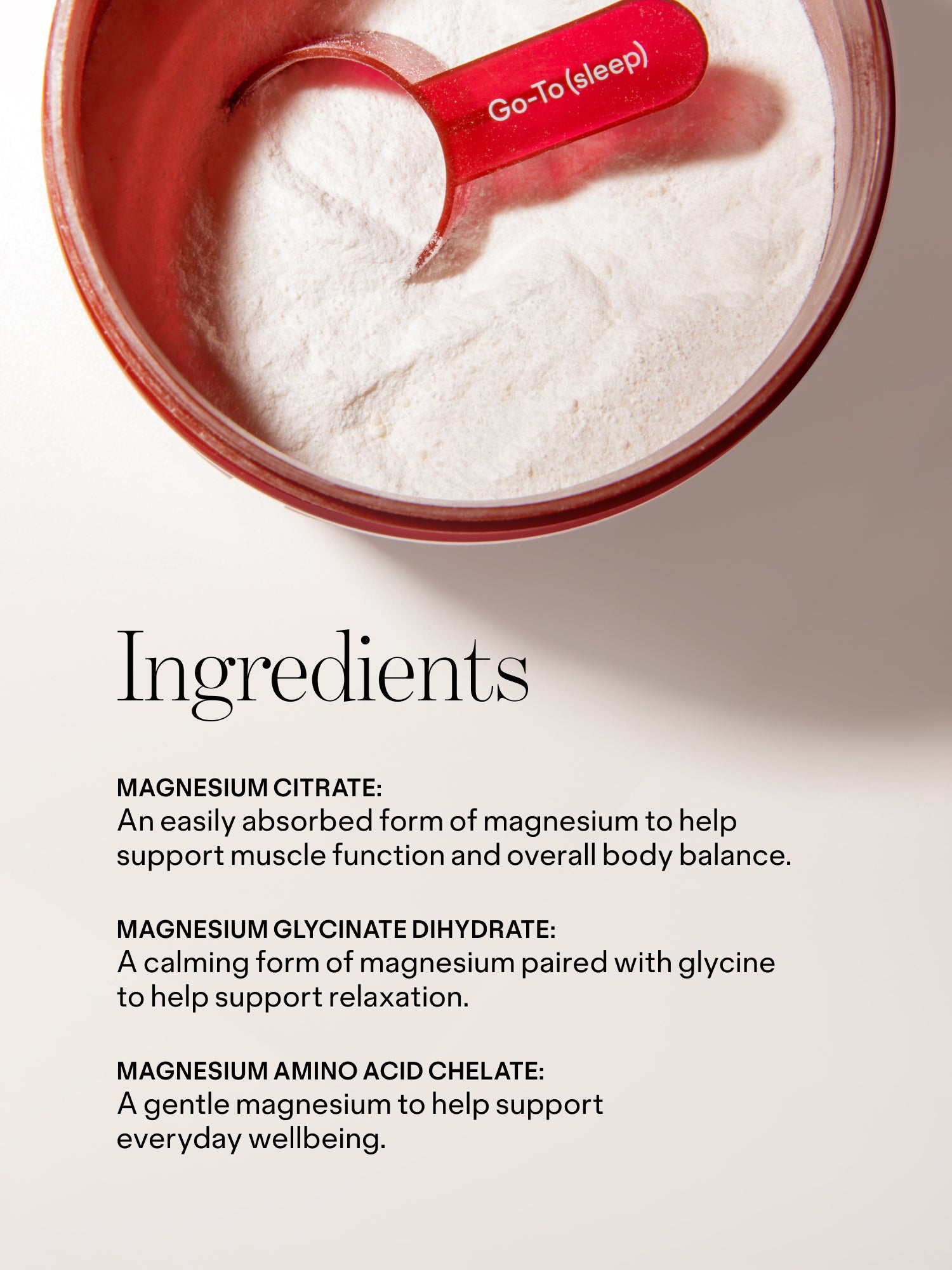
Magnesium citrate: This one combines magnesium with citric acid to create an easily absorbed form of magnesium that helps support muscle function and overall body balance.
Magnesium amino acid chelate: Bonding magnesium with amino acids, this ingredient offers a gentle, highly absorbable form of magnesium designed to support everyday wellbeing.
Magnesium glycinate dihydrate: Paired with glycine, this is a calming form of magnesium often used to support relaxation.
When it comes to supplements, we recommend speaking to your medical professional.


Comments