








Our skin changes with age. And with these changes, it can be annoyingly difficult to wade through all the conflicting skincare advice and find out what we should actually be doing. (Salmon sperm? New-fangled LED tools? Something called an ‘upper bleph’?)
We spoke to dermal clinician and Go-To legend Yadira Galarza Cauchi on what to do when your skin starts to err on the mature side and what skincare you actually need to be reaching for.
To start with, what actually happens to our skin as we age?
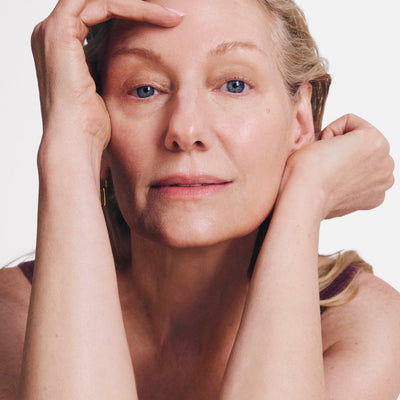
“As we age, the skin gradually produces less collagen, elastin, and cell turnover slows. This leads to thinner, drier skin that shows more wrinkles, pigmentation, and loss of firmness over time.”
What are the common signs of these changes?
“Dryness, loss of firmness and elasticity, more visible fine lines and wrinkles, uneven pigmentation (like age spots), thinner skin, and a slower healing response.”
So if your skin is changing, does that mean your skincare should as well?
“Yes, yes yes! You need to shift to support hydration, barrier function, and repair (especially as we start to notice the visible signs of ageing) rather than just prevention.”
What are the ultimate hacks for mature skin? And why?
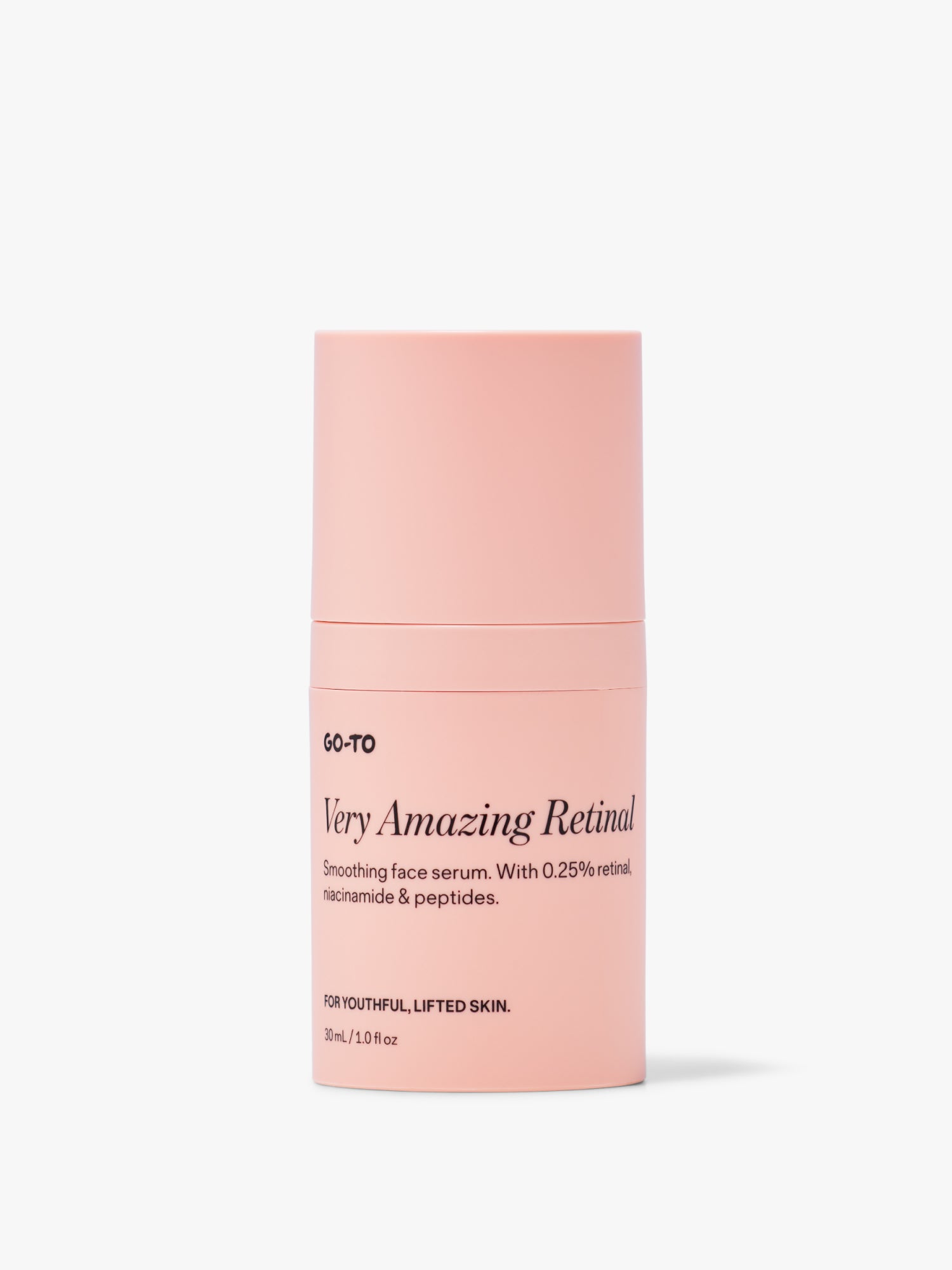
“Retinoids (so important!), antioxidants (like vitamin C), sunscreen, peptides and barrier-supporting lipids such as ceramides or humectants like hyaluronic acid.
Together, they help stimulate collagen, protect against further damage, improve hydration, and support the skin barrier as it naturally becomes thinner and drier with age.”
What are the top three steps ageing skin types should be using?
“A daily sunscreen, a retinoid at night, and a well-formulated moisturiser that provides the skin with enough hydration! Hydrated skin = healthy skin!”




What if you’ve never established a skincare routine. Is it ever too late to start?
"It's never too late to start! Skin is a living organ that continues to respond to good ingredients and sun protection at any age!”

Comments