











Your skin is tight, flaky, and dry. But somehow also oily. At the same time. It stings when you apply literally anything, and even that trusty serum you’ve coveted for years sprouts texture and pimples in new places.
It seems, your skin barrier is broken, and after the fifth round of trying TikTok quick-fixes, or seriously considering whether you’ve developed a late-onset allergy to wheat (or was it dairy your well-meaning girlfriend said made her break out like this?), you’ve landed here with one question: When does this stop?
The short answer is that, like all good things, repairing a broken skin barrier takes time (ie. longer than you want it to). For the longer, slightly more hope-filling answer, read on.
What Even Is A Skin Barrier?
Your skin barrier is the outermost layer of your skin, which is made up of skin cells held together by lipids.
Think of it kind of like the shell of a fibreglass pool: At the most basic level, its job is to keep water in and dirt out. When it’s healthy, your skin barrier retains that good, healthy moisture and blocks irritants from entering. When it’s compromised (be it from over-exfoliation, harsh actives, weather, stress, or simply too many new products tried at once), it can’t do either job properly, so moisture escapes and those pesky little irritants get in.
Signs your barrier is compromised include tightness, redness, flaking, breakouts, or a stinging sensation when you apply your normal products. Essentially, your skin throws a good old tantrum!
How Long Does A Skin Barrier Take To Repair?
There’s no one-size-fits-all timeline for a compromised skin barrier. Mild irritation may start to settle within days, while more significant barrier disruption can take several weeks to recover, depending on the cause and how consistently you’re able to stick to a gentle routine.
Yes, weeks, not days! While we know that’s not what anyone wants to hear when their skin feels like sandpaper, repairing your skin barrier is a process, and trying to rush its repair will likely end up doing even more harm.
Why so long? Well, your skin cells go through a natural turnover cycle, and that cycle can’t be sped up just because you have a wedding, a first date, or a job interview on the horizon. New, healthy cells need time to form and rise to the surface, and the lipid matrix that holds everything together needs time to rebuild, too.
So, Can You Speed Up Its Repair In Any Way?
While you can’t rush the biological process, there are a few things you can do to support your skin barrier as it heals.
1. Ditch The Actives
First and foremost, we must implore you: Put. Down. The. Actives! Sometimes the fastest way to help your skin is to simply stop hurting it, so pause harsher treatments like retinoids, exfoliating acids, and anything with the word “resurfacing” on it. Also say “no” to physical exfoliating scrubs and products with fragrance listed as an ingredient, and try to limit using hot water on your face as much as possible.
2. Simplify Your Routine
Next, it’s time to give your regimen an audit. Strip your routine right back and opt for products with soothing ingredients that have been shown to support your skin. No “trust me guys” social media remedies allowed here!
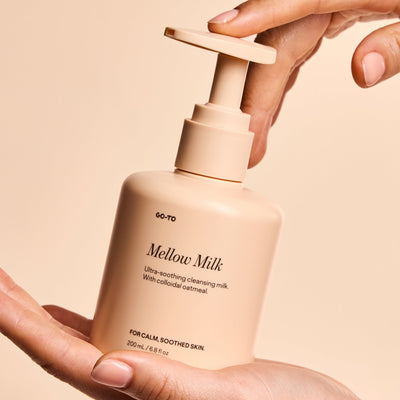
Colloidal oatmeal is a soothing skincare legend for a reason. It’s been shown to improve dryness, hydration, and barrier function, while ingredients like sea buckthorn can help soothe and support irritated skin. Additionally, oat ceramides can help support the skin barrier and reduce dryness and flaking, thanks to their role in helping replenish skin-identical lipids (ever considered the ways in which you might be similar to your overnight oats… just us?).
Pairing soothing ingredients like these with ones that encourage moisture retention and hydration is a solid foundation for a new, barrier-friendly skincare routine. Panthenol (that’s provitamin B5, for anyone playing ingredient bingo) is brilliant at drawing in and holding moisture, and the much-loved centella (AKA cica) has been linked to improved hydration and reduced transepidermal water loss.
Ideally, look for ingredients like these working together in your products, rather than picking a single hero product and hoping for magic. Barrier repair is a team sport, after all.
What To Expect
Generally, you can expect some signs of irritation, such as redness and stinging, to start settling as you stop using irritating actives and switch to a calming, barrier-supportive routine. Exactly how quickly this happens will depend on how compromised your barrier is to begin with.
Flaking, dryness, and sensitivity can take longer to settle, with barrier function potentially taking several weeks to recover. Studies of barrier-supportive ingredients have demonstrated improvements over periods ranging from days to several weeks, depending on the product, skin condition, and extent of barrier disruption.
With that in mind, everyone’s timeline shifts slightly depending on how compromised the barrier was to begin with, your skin type, and how consistent you are with a gentle routine. For example, if you keep introducing new products every few days “just to see,” you’re essentially resetting the clock… don’t do that to yourself.
Yes, we know a stripped-back, gentle routine sounds boring, but boring is exactly what a compromised barrier wants. While a mantra of “patience and simplicity” isn’t the most exciting skincare advice, it’s the honest one. Your barrier will bounce back, just give it the time (and the TLC) it needs.

Comments